




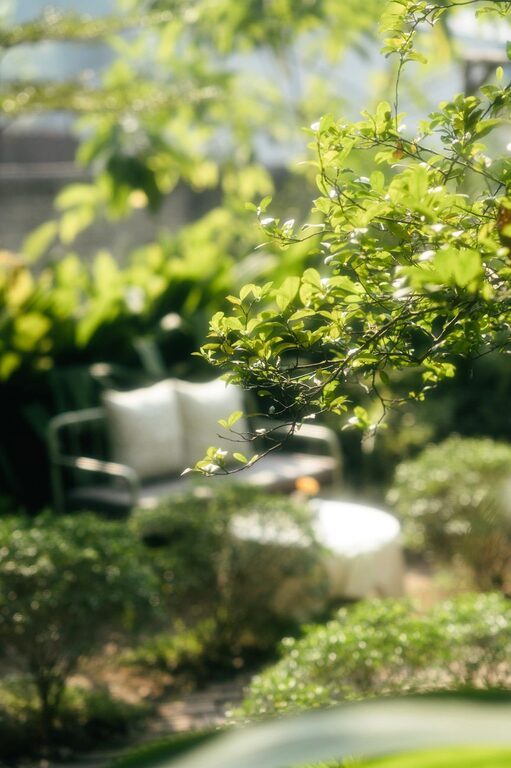
Creating a relaxing outdoor space in your backyard is a wonderful way to enjoy nature, unwind after a busy day, and spend quality time with family and friends. Whether you have a small patio or a large garden, with a little planning and creativity, you can design a calm and inviting environment that feels like your own private retreat.
In this post, we’ll explore practical tips to help you transform your outdoor area into a soothing space that promotes relaxation and well-being.
Assess Your Space and Needs
Before you start making changes, take a good look at your backyard. Consider the size, shape, sunlight, existing plants, and where you want to locate your relaxing area. Ask yourself:
– How much space do I have available?
– What time of day is the area sunny or shady?
– Do I want a space for solitude, entertaining, or both?
– What features do I want to include (seating, water, shade)?
Knowing your space and needs will help you make informed choices in the design process.
Choose Comfortable Seating
Comfortable seating is key to creating a relaxing space. Options vary depending on your style and budget:
– Lounge chairs: Ideal for sunbathing or reading.
– Hammocks: Perfect for a gentle sway and ultimate relaxation.
– Outdoor sofas or sectionals: Create a cozy spot for gatherings.
– Benches with cushions: Great for smaller areas or pathways.
Remember to choose weather-resistant materials such as treated wood, metal with powder coating, or synthetic wicker. Add soft cushions and throw pillows made from outdoor fabrics to enhance comfort and style.
Incorporate Natural Elements
Bringing nature into your backyard can boost relaxation. Consider these natural touches:
– Plants and flowers: Use a mix of shrubs, perennials, and seasonal flowers for color and texture.
– Trees: Provide shade and a sense of privacy.
– Grass or ground cover: Soft surfaces are inviting and pleasant underfoot.
– Water features: Small fountains, ponds, or birdbaths add soothing sounds and attract wildlife.
Native plants are often easier to maintain and support local ecosystems, making them a great choice.
Add Shade and Shelter
Spending long hours outside requires some protection from the sun and weather.
– Umbrellas: Portable and adjustable for flexible shade.
– Pergolas or gazebos: Architecturally pleasing structures that provide shelter and a focal point.
– Shade sails: Modern and stylish fabric covers that block the sun.
– Trees: As mentioned, offering natural shade.
Shelter options extend the usability of your outdoor space and make it comfortable in various weather conditions.
Create a Calming Color Palette
Colors influence mood and ambiance. Choose a palette that promotes calm:
– Soft blues and greens evoke a relaxing vibe.
– Neutral tones like beige, taupe, or gray create a serene backdrop.
– Use brighter accent colors sparingly for energy, such as in cushions or garden art.
Coordinate colors between the seating, planters, and decor to tie the space together.
Use Lighting to Set the Mood
Outdoor lighting extends the enjoyment of your space into the evening and sets a peaceful atmosphere.
– String lights: Warm and inviting, perfect for casual gatherings.
– Solar path lights: Illuminate walkways without wires or electrical work.
– Lanterns and candles: Add a gentle flickering glow.
– Spotlights: Highlight trees or architectural features.
Choose warm white bulbs for softness and consider dimmable options to adjust brightness.
Incorporate Personal Touches
Your outdoor space should feel uniquely yours. Consider adding:
– Outdoor rugs: Define seating areas and add texture.
– Garden art: Sculptures, wind chimes, or decorative pots.
– Fire pit or chiminea: For warmth and ambiance during cooler evenings.
– Outdoor cushions and throws: Make the space inviting and cozy.
Personal touches create a welcoming vibe and make your backyard a place you love to spend time.
Keep Maintenance in Mind
A relaxing outdoor area should be easy to maintain so it stays inviting without becoming a chore.
– Choose low-maintenance plants that suit your climate and soil.
– Use materials that resist weather damage and fading.
– Incorporate mulch or gravel to reduce weeds.
– Plan for easy cleanup and storage of cushions in bad weather.
Regular upkeep ensures your space remains a stress-free zone.
Plan for Privacy
Feeling shielded from neighbors or busy streets enhances relaxation.
– Use tall hedges, bamboo, or climbing vines on trellises.
– Consider outdoor curtains or privacy screens.
– Arrange furniture strategically to face away from distractions.
Privacy creates a safe, intimate environment for relaxation.
Final Thoughts
Designing a relaxing outdoor space in your backyard doesn’t have to be complicated or expensive. Focus on comfort, natural elements, and creating a mood that soothes the senses. With thoughtful planning and simple touches, your backyard can become a favorite spot to recharge, enjoy nature, and make memories.
Start with one or two ideas and build over time. The best outdoor retreat is one that reflects your style and supports your well-being.
Happy relaxing!