







Creating a relaxing home garden space can be a rewarding experience, especially for beginners wanting a peaceful retreat without overwhelming complexity. A well-designed garden offers a perfect spot to enjoy fresh air, unwind after a busy day, and connect with nature. Whether you have a small balcony, a backyard, or just a corner near a window, these tips will guide you in crafting a soothing garden space tailored to your needs.
Why Create a Relaxing Garden Space?
Before diving into the how-to, it’s helpful to understand the benefits of a relaxing garden space:
– Stress relief: Spending time in green spaces can reduce stress and improve mood.
– Physical activity: Gardening involves gentle exercise which is good for health.
– Creativity boost: Designing and nurturing plants encourages creativity.
– Connection with nature: A garden provides a sense of calm and grounding.
With these benefits in mind, let’s explore how you can start your own.
Start Small and Simple
For beginners, the best approach is to start small. Trying to manage a large garden right away can feel overwhelming.
– Choose a manageable space: a balcony, a small patch in your yard, or a container garden.
– Select a few plants you like and can care for easily.
– Remember, your garden can grow over time as you gain confidence.
Choose the Right Plants
Selecting plants that suit your climate, space, and gardening skills will help you succeed.
Easy-to-Grow Plant Options for Beginners
– Herbs: Basil, mint, rosemary, and thyme are fragrant, useful, and resilient.
– Succulents and Cacti: Require minimal watering and care.
– Perennials: Lavender, hostas, and daylilies return every year, reducing replanting work.
– Flowering plants: Marigolds, zinnias, and impatiens add color without much fuss.
Tips for Planting
– Check sunlight: Know how much sun your garden receives daily to match plant needs.
– Use quality soil: Good soil improves plant growth and reduces watering frequency.
– Start with healthy seedlings: Easier than seeds if you are new to gardening.
Design for Comfort and Tranquility
A relaxing garden should invite you to spend time there. Designing for comfort helps create that welcoming atmosphere.
Seating Options
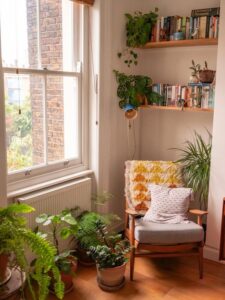
– Add a bench, chair, or hammock where you can sit quietly.
– Use cushions or outdoor pillows for extra comfort.
Water Features
– A small fountain or birdbath adds soothing sounds and attracts wildlife.
– Even a simple bowl of water can create a peaceful vibe.
Shade and Shelter
– Use umbrellas, pergolas, or trees to provide shade.
– Shade keeps the area cooler and protects you while relaxing.
Incorporate Sensory Elements
Engage your senses to enhance relaxation.
– Sight: Use plants with varied colors, shapes, and textures.
– Smell: Include fragrant flowers or herbs like lavender or jasmine.
– Sound: Wind chimes or rustling leaves add gentle background noises.
– Touch: Include soft foliage or smooth stones that invite touch.
Keep Maintenance Simple
Maintaining your garden should be enjoyable, not a chore.
– Water Plants in the Morning: Early watering helps plants absorb water better and reduces evaporation.
– Mulch Beds: Mulching keeps soil moist and suppresses weeds.
– Use Automatic Waterers: Drip irrigation systems or self-watering pots can save time and effort.
– Regular but Light Pruning: Remove dead or overgrown parts gently to keep plants healthy.
Add Personal Touches
Make the space uniquely yours:
– Decorate with garden ornaments, fairy lights, or colorful pots.
– Use a garden journal to track plant growth and ideas.
– Create a small nook for reading or meditation.
Safety and Practical Tips
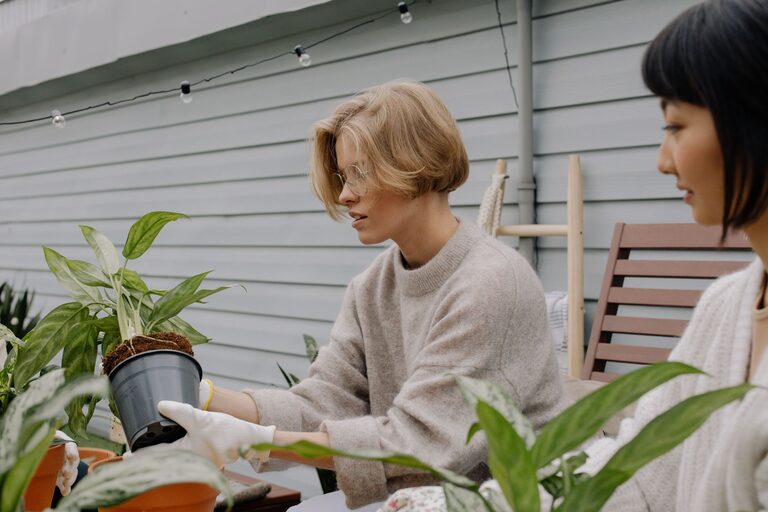
– Use gloves and proper tools when gardening.
– Position heavy items securely to avoid accidents.
– Consider pets or children when choosing plants; avoid toxic varieties if necessary.
Enjoy Your Garden Daily
Spend even a few minutes each day in your garden to relax or simply observe the plants growing. This habit not only enhances your well-being but also helps you notice what your garden needs.
—
Creating a relaxing home garden is about making a space that feels good to you. Start with simple steps, choose plants you enjoy, and design a comfy spot to unwind. Your garden will become a peaceful haven where you can recharge and enjoy nature’s beauty—no matter your experience level. Happy gardening!