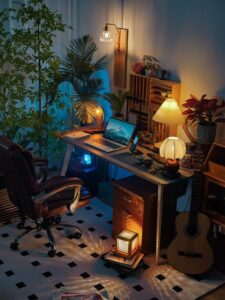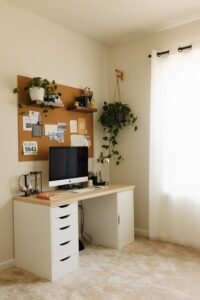






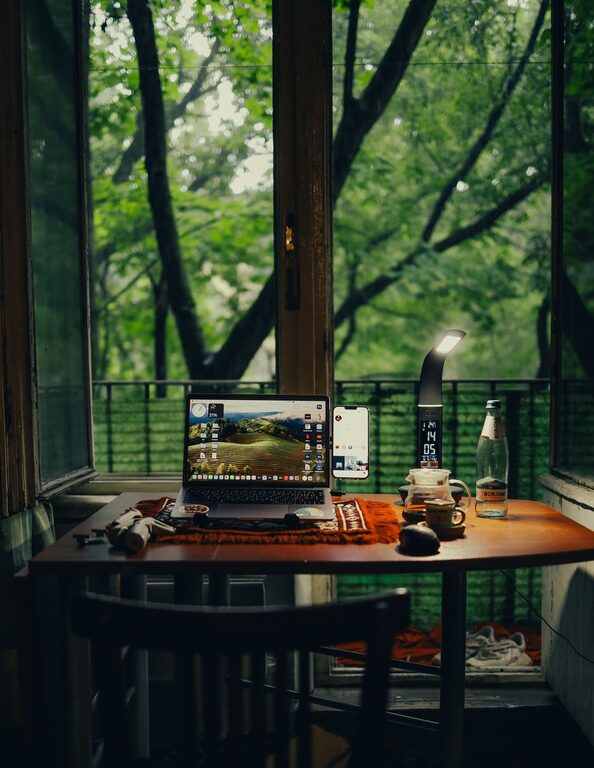
Creating a home office that feels both relaxing and productive is key to maintaining focus and well-being while working from home. Whether you’re setting up a dedicated room or carving out a nook, your workspace should inspire motivation without causing stress. Below are practical tips to help you design a home office that balances comfort and efficiency.
Choose the Right Location
Finding the perfect spot for your home office is the first step to creating a productive environment.
– Natural Light: Aim to set up near a window to benefit from natural daylight. Good lighting reduces eye strain and uplifts your mood.
– Low Traffic Area: Select a quiet part of your home with minimal distractions from family members or household noise.
– Space Considerations: Make sure you have enough room for your desk, chair, and storage while leaving some open space to avoid feeling cramped.
Invest in Comfortable, Supportive Furniture
Ergonomics plays a crucial role in your productivity and long-term health.
– Ergonomic Chair: Choose a chair with adjustable height, lumbar support, and comfortable cushioning.
– Desk Height: Your desk should allow your arms to rest at about a 90-degree angle when typing.
– Consider Standing Options: A sit-stand desk or a standing desk converter can help change your posture throughout the day.
Organize for Efficiency
A clutter-free workspace leads to a clutter-free mind.
– Declutter Regularly: Remove items that are not immediately necessary.
– Storage Solutions: Use shelves, filing cabinets, or desk organizers to keep documents and supplies neatly stored.
– Digital Organization: Keep your computer desktop tidy and use tools for task management to stay on track.
Optimize Lighting
Besides natural light, consider how to illuminate your workspace without causing glare.
– Task Lighting: Use a desk lamp with adjustable brightness to focus on work materials.
– Ambient Lighting: Balanced overhead lighting can reduce contrast and eye strain.
– Avoid Screen Glare: Position your monitor perpendicular to windows or use shades to control reflections.
Personalize Your Space
Adding personal touches makes your home office inviting and motivating.
– Plants: Indoor plants can improve air quality and help you feel calmer.
– Artwork or Photos: Choose calming or inspiring images that boost your mood.
– Colors: Use soothing colors like soft blues, greens, or neutrals to create a relaxing atmosphere.
Manage Noise
Noise can be distracting, so consider ways to create a peaceful audio environment.
– Noise-Cancelling Headphones: These are helpful if your home is noisy or if you participate in virtual meetings.
– Background Music: Some people work better with gentle background music; choose instrumental or ambient tracks.
– Soundproofing: Rugs, curtains, and upholstered furniture can absorb sound, reducing echo.
Set Boundaries and Routines
Maintaining clear boundaries boosts both relaxation and productivity.
– Work Hours: Define specific start and finish times to separate work from personal life.
– Dedicated Work Zone: Avoid working from the couch or bed to keep your brain in “work mode.”
– Regular Breaks: Take short breaks to stretch, hydrate, or rest your eyes to maintain energy levels.
Technology Setup
Reliable technology support makes work smoother and less stressful.
– High-Speed Internet: Ensure your connection is strong enough for video calls and file sharing.
– Quality Equipment: Invest in a good monitor, keyboard, and mouse for comfort and efficiency.
– Cable Management: Use clips or sleeves to prevent tangled cords and create a tidy look.
—
Creating a relaxing and productive home office is about harmonizing comfort with efficient design. By choosing the right location, investing in ergonomic furniture, organizing your supplies, optimizing light and sound, and setting boundaries, you can build a space that supports your work and well-being. With these tips, your home office can become a place where focus and calm coexist seamlessly.