




Starting a home garden can be a rewarding and enjoyable experience, especially for beginners. It allows you to connect with nature, grow fresh produce or beautiful flowers, and spend time outdoors. If you’ve been thinking about creating your own garden but feel unsure where to start, this guide will walk you through simple steps to help you get going.
Why Start a Home Garden?
Before diving into the how, it’s good to understand the why. Having a garden at home can:
– Provide fresh fruits, vegetables, and herbs
– Add beauty and greenery to your living space
– Offer a relaxing hobby and reduce stress
– Teach patience and responsibility
– Encourage outdoor activity and a connection to nature
With these benefits in mind, let’s explore how to create a garden suited to your space and needs.
Step 1: Choose the Right Location
Selecting the right spot is crucial for a successful garden. Here’s what to consider:
– Sunlight: Most plants need at least 6 hours of direct sunlight a day. Observe your yard to find sunny areas.
– Soil Quality: Good soil means healthy plants. Check if the soil is fertile, drains well, and isn’t rocky.
– Accessibility: Pick a location easy to reach for daily care and watering.
– Space: Choose a spot that fits the size of your garden plans, whether a few pots on a balcony or a small bed in your yard.
If space is limited, don’t worry! Container gardening and vertical gardens are great alternatives.
Step 2: Decide What to Grow
For beginners, it’s best to start with plants that are easy to grow and maintain. Some beginner-friendly options include:
– Vegetables: Lettuce, radishes, carrots, green beans, and tomatoes
– Herbs: Basil, mint, parsley, chives, and cilantro
– Flowers: Marigolds, sunflowers, zinnias, and pansies
Consider what you enjoy eating or looking at, and also what plants suit your climate. Local garden centers can help you choose suitable varieties.
Step 3: Prepare Your Garden Space
Once you’ve picked your location and plants, it’s time to prepare the area.
For Ground Gardens
– Clear the area: Remove grass, weeds, and debris.
– Loosen the soil: Use a garden fork or trowel to break up the soil for better root growth.
– Add compost or fertilizer: Enrich the soil with organic matter or balanced fertilizer to provide nutrients.
For Containers
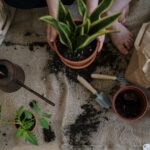
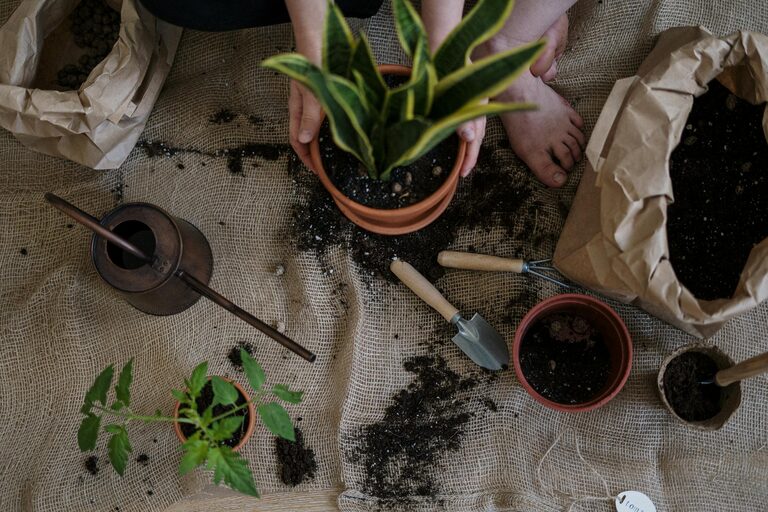
– Select pots with drainage holes to prevent waterlogging.
– Use quality potting mix designed for containers.
Step 4: Planting Your Garden
Follow these general tips:
– Read seed or plant instructions: Different plants have specific depths and spacing requirements.
– Water gently after planting: Keep the soil moist but not soaked.
– Label your plants: Use markers to remember which plant is which, especially for seeds.
Step 5: Watering and Care
Proper watering is key to a healthy garden.
– Water early in the morning or late in the evening to reduce evaporation.
– Keep the soil moist but avoid overwatering, which can cause root rot.
– Regularly check your plants for signs of pests or disease.
– Remove weeds promptly to reduce competition for nutrients.
Step 6: Mulching and Maintenance
Adding mulch (like straw, bark, or leaves) around your plants helps:
– Retain soil moisture
– Suppress weed growth
– Keep soil temperature stable
Regularly prune and harvest plants to encourage growth and productivity.
Step 7: Enjoy and Learn
Gardening is a journey, and every experience teaches you more. Watch your plants grow, enjoy harvesting what you’ve planted, and don’t get discouraged by challenges. Many gardeners learn by trial and error, so be patient and keep experimenting.
—
Starting a home garden doesn’t have to be complicated. By following these simple steps, even beginners can cultivate a thriving garden space. Whether you grow a few herbs on your windowsill or build a vegetable patch in your yard, the rewards of gardening are well worth the effort.
Happy gardening!